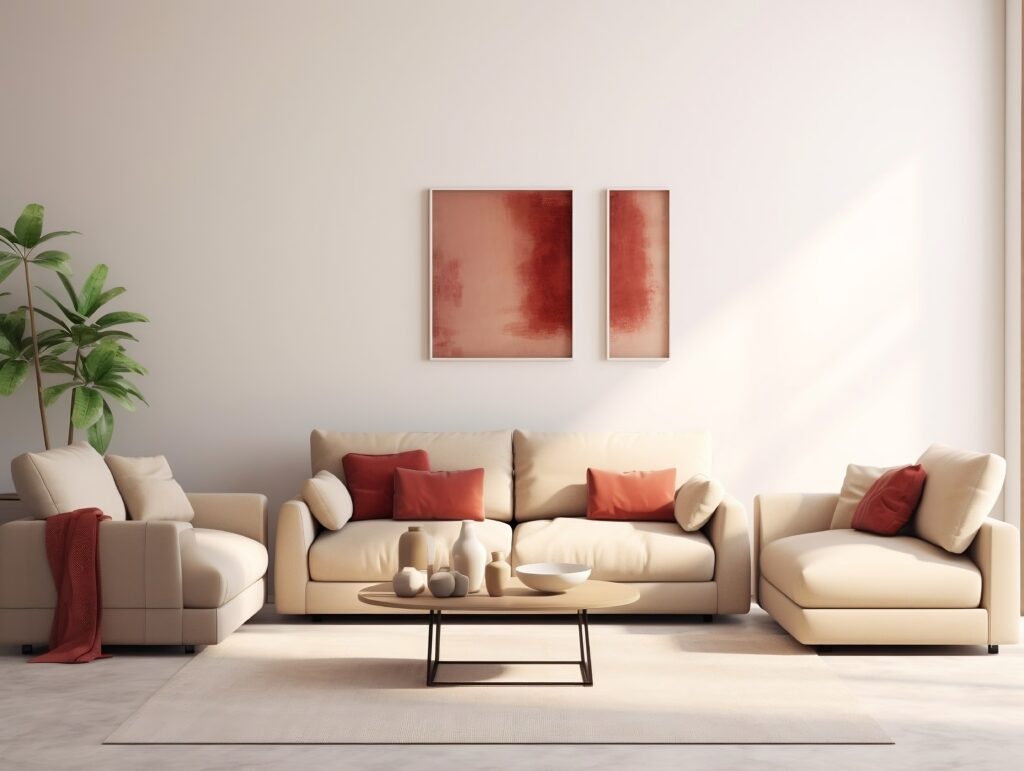
A Step by Step Blueprint for Calm, Stylish, Everyday Comfort
A comfortable living room is more than a sofa and a TV. It is circulation that feels effortless, light that flatters skin and fabric, textures that invite you to sit and stay, and storage that quietly keeps the room in order. In South Africa we also design for strong sun, coastal air, winter dryness on the Highveld, and flexible family living. This guide gives you a proven, sequential method to plan a living room that is warm, elegant, and deeply comfortable day after day.
Step 1: Write a two sentence brief
Outcome: a clear intention that anchors every choice.
Define purpose and feeling in plain language.
Purpose Family lounge for relaxing, reading, and movie nights
Feeling Calm, light, and layered with natural texture and warm accents Keep this at the top of your project document. Every decision should serve this brief.
Step 2: Measure precisely and map the room
Outcome: a layout that fits perfectly and flows.
Record room length, width, and height in centimetres.
Mark doors, windows, plug points, and cable routes.
Note access constraints on stair turns, lifts, and door widths for delivery.
Set circulation rules
Main walkway 90 cm
Sofa to coffee table 40 to 50 cm
Side table height 50 to 55 cm next to typical sofa arms
TV viewing distance 1.5 to 2.5 times the screen diagonal
Draw two or three possible furniture plans. Choose the plan with the smoothest pathways and least visual clutter.
Step 3: Choose the right seating format
Outcome: seating that fits your lifestyle and space.
Two or three seater plus two armchairs
Flexible for conversation and entertaining.
L sectional or chaise end sofa
Best for family lounging and open plan rooms. Confirm chaise side early.
Modular sofa
Reconfigurable for evolving needs and easier delivery.
Curved sofa
Social flow in larger rooms. Pair with a round table.
Sizing references
Two seater 150 to 170 W × 85 to 95 D × 80 to 90 H cm
Three seater 190 to 220 W × 90 to 100 D × 80 to 95 H cm
Sectional overall span 250 to 320 cm with chaise 150 to 170 cm deep
Craft City Furniture recommendation
A Lawson style three seater in an oat linen look fabric with slim arms for maximum usable seating, paired with one sculptural accent chair for personality.
Step 4: Select comfort depth and cushion feel
Outcome: support that matches how you sit.
Seat depth
50 to 56 cm for upright conversation
58 to 62 cm for relaxed family seating
65 cm and deeper for lounge and nap comfort
Seat height 42 to 47 cm for most users
Cushion fill
Structured comfort high density foam core with fibre wrap
Luxe lounge foam and feather blend or microfibre blend
Low care performance foam with channel stitched fibre to resist slumping
Add a mix of lumbar and square cushions to fine tune posture for different sitters.
Step 5: Build a simple palette you can repeat
Outcome: visual calm that still feels rich.
One dominant wood tone for tables and storage
One metal tone for lamps and handles
One core fabric tone for large upholstery
One accent colour in art or cushions
For South African light, pair natural oak with warm neutrals such as oat, stone, or soft taupe. Add brass or black powder coat for quiet sophistication.
Step 6: Plan storage so surfaces stay clear
Outcome: order without visible effort.
Media console 160 to 220 W × 45 D cm with cable management and soft close doors.
Sideboard or console along a circulation wall for board games, blankets, and chargers.
Closed baskets inside open shelves for remotes and small items.
Ottoman or coffee table with storage for quick resets before guests arrive.
Craft City Furniture pairing
Fluted oak sideboard and a low media unit in matching tone to unify the wall.
Step 7: Choose the right coffee table and side tables
Outcome: every seat has a landing spot.
Coffee table size guideline two thirds the width of the main sofa.
Heights
Coffee table 40 to 45 cm
End tables 50 to 55 cm
Shapes
Round or oval softens right angled rooms and improves flow.
Rectangular anchors long rooms and sectionals.
Step 8: Layer lighting the comfortable way
Outcome: flattering, adaptable light from morning to night.
Ambient low glare downlights or a soft ceiling fitting
Task a floor lamp at the reading seat and a table lamp at the sofa end
Accent wall washers on textured paint or a picture light over art
Colour temperature
Warm white 2700 to 3000 K for a premium residential glow
Dimming on all layers to shift from day to evening
Add one rechargeable lamp for load shedding flexibility without visual clutter
Step 9: Place the rug to define the room
Outcome: soft landings and a unified seating area.
For a compact living room use 160 × 230 cm with front legs of seating on the rug.
For larger rooms use 200 × 300 cm or 250 × 350 cm to tie all seats together.
Choose low pile or flat weave for easy vacuuming and stable furniture.
A natural oat or warm stone rug enhances oak and linen textures while keeping the room calm.
Step 10: Balance shapes and visual weight
Outcome: harmony that reads as comfortable at a glance.
Pair a boxy sofa with a round coffee table.
Offset a solid sideboard with a slender floor lamp.
Use one chunky element only. When the table is heavy, select slim legs on the sofa or chairs.
Step 11: Style with texture rather than busy pattern
Outcome: depth without noise.
Mix linen weave upholstery, oak grain, boucle on a small stool, a ceramic bowl with soft glaze, and a wool throw.
Keep patterns to one hero such as a subtle rug or a single cushion set.
Repeat micro details fluted door fronts, ribbed glass, spindle lines to quietly connect pieces.
Step 12: Design a relaxed media wall
Outcome: an elegant focal point for daily use.
Centre the TV at eye level when seated roughly 95 to 105 cm to the middle of the screen for typical sofas.
Keep cables hidden behind the unit or inside trunking.
Add a shelf or low art to soften the black rectangle.
Use a sound bar or slim speakers that match the unit finish.
Step 13: Plan ventilation, acoustics, and comfort
Outcome: a room that feels physically comfortable as well as stylish.
A thick rug and lined curtains reduce echo and soften the room.
Keep a clear airflow path from window to door.
Choose breathable textiles that stay cool in summer and layer a light throw for winter evenings.
Step 14: Window treatments for light and privacy
Outcome: soft daylight, glare control, and cosy evenings.
Pair sheers for daytime with lined curtains or a blockout blind for night.
Mount curtains higher than the window to lift the ceiling line.
Keep hardware slim and finishes consistent with your metal tone.
Step 15: Add greenery for life and calm
Outcome: organic texture that connects interior and garden.
One tall plant or olive tree equivalent to balance a corner.
A low planter or sculptural branch on the console for seasonal change.
Use planters that echo your palette rather than adding a new finish.
Step 16: Create a hosting ready surface plan
Outcome: effortless entertaining without a scramble.
Tray on the coffee table for remotes and coasters.
Console with a rechargeable lamp, a bowl for keys, and space for a snack platter.
Side tables placed so every seat can reach a drink without leaning.
Step 17: Cable and technology management
Outcome: a visually quiet room that functions beautifully.
Use cord covers under rugs to reach lamps without trip hazards.
Reserve one drawer for chargers, batteries, and remotes.
Label multi plugs and keep a short, neat cable list inside the media unit door.
Step 18: Seasonal comfort switches
Outcome: fresh feel without major redecoration.
Summer lighten with airy throws and remove one cushion per seat.
Winter add a textured wool throw and one deeper toned cushion for warmth.
Rotate decor to avoid sun shadow lines on tops and shelves.
Step 19: Maintenance plan that preserves comfort
Outcome: the room stays calm and inviting.
Vacuum rugs weekly and rotate every six months.
Fluff cushions and rotate seats monthly for even wear.
Wipe oak and lacquered surfaces with a soft damp cloth, then dry.
Fit felt pads to all legs and replace when worn.
Step 20: Three layout recipes you can trust
Classic conversation layout
One three seater centred on the feature wall
Two occasional chairs at right angles
Round coffee table 90 to 110 cm
160 × 230 cm rug with front legs on
Console or sideboard on the long wall
Family sectional layout
L sectional facing media wall
Coffee table 120 to 130 cm oval for smooth flow
Floor lamp at the open end
200 × 300 cm rug to tie the L
Slim console behind the sectional for lamps and storage
Long narrow room
Two compact sofas facing each other
Nested side tables to save space
Oval coffee table for easier circulation
Low media unit to reduce bulk on the long wall
Room checklist before you buy
Two sentence brief written
Room and access measured in centimetres
Circulation clearances planned
Seating format chosen with correct depth and height
Palette set one wood, one metal, one fabric tone, one accent colour
Storage plan media, sideboard, baskets
Lighting plan ambient, task, accent all dimmable
Rug size confirmed and placed two thirds under sofa where possible
Window treatment decided sheer plus blockout
Cable routes and charging drawer planned
Common mistakes and how to correct them
Oversized arms stealing seating length choose slim arms to gain usable space.
Coffee table too small size to two thirds of sofa width and keep reach within 50 cm.
Pattern overload switch to texture based styling and retain one hero pattern only.
Downlight glare add wall washers and lamps, dim overhead wash.
No negative space remove one item from each surface and widen walkways to restore calm.
Craft City Furniture pairings
Organic modern calm
Linen textured three seater in oat
Round oak coffee table
Fluted oak sideboard
Brass floor lamp and warm white lighting
Contemporary family living
Compact sectional with raised legs in performance fabric
Oval ceramic top coffee table
Low media unit with cable management
Easy care flat weave rug in natural stone
Curated classic
Chesterfield in natural leather
Ribbed oak console
Ceramic lamps with linen shades
Wool blend rug for softness
Frequently asked questions
What sofa depth works for mixed height families Aim for 58 to 60 cm with extra cushions for lumbar support so everyone can fine tune comfort.
How high should a TV be Centre the screen around 95 to 105 cm from the floor for typical sofa heights. Adjust for very deep seating.
Round or rectangular coffee table Round for small or high traffic rooms and to pair with a boxy sofa. Rectangular for long rooms and sectionals.
Can I place a sectional in a small space Yes, a compact L can be more efficient than a sofa plus two chairs, as long as walkways remain at 90 cm.
What colour temperature is best Warm white at 2700 to 3000 K in living spaces gives a premium residential glow. Keep all lamps within a narrow band for harmony.